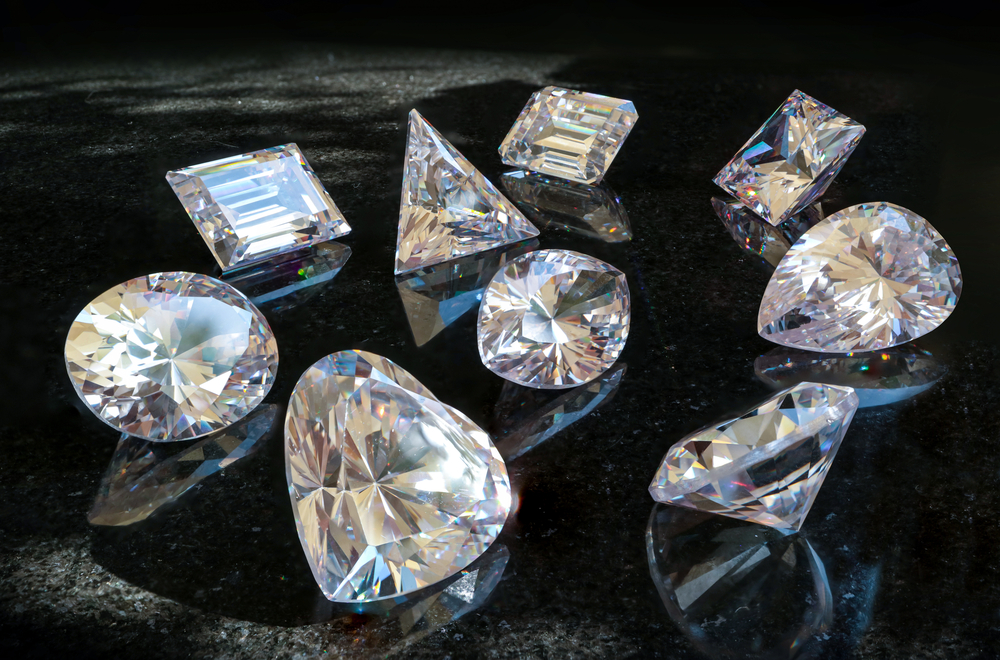
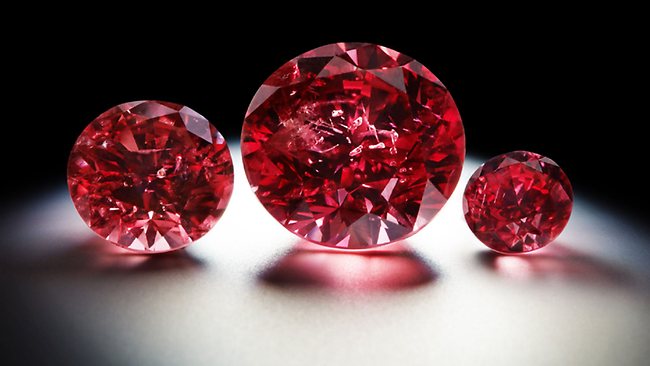
If you’ve ever found yourself asking what are blood diamonds, you’re not alone. The term has gained widespread attention over the past two decades, highlighting the dark side of the diamond trade. In contrast, the rise of lab diamonds presents an ethical, sustainable alternative for consumers who want the sparkle without the guilt. This article dives deep into the history and consequences of blood diamonds and explains why lab-created stones are becoming the go-to option for conscious buyers.
Understanding What Are Blood Diamonds
Blood diamonds—also known as conflict diamonds—are gems mined in war zones and sold to finance armed conflict against governments. The revenue from these diamonds often supports rebel movements, terrorism, and human rights abuses in countries where the diamonds are sourced. The issue reached international prominence during the civil wars in countries like Sierra Leone, Angola, and the Democratic Republic of Congo.
These diamonds earned their gruesome nickname because they are literally “stained with blood.” The mining operations are frequently controlled by militant groups that exploit workers, including children, under brutal conditions.
The Human Cost of Blood Diamonds
To truly grasp what are blood diamonds, you have to understand the human suffering involved in their production:
-
Child Labor: Children as young as five are forced to work in diamond mines under hazardous conditions.
-
Violence: Workers are often subjected to physical abuse, torture, and even execution if they don’t meet quotas.
-
Slavery: Many miners work long hours without pay or the ability to leave, essentially enslaved by warlords.
-
Health Hazards: Exposure to dust, lack of protective gear, and poor sanitation contribute to severe health problems.
Despite international efforts to regulate the trade, blood diamonds continue to infiltrate the global market.
The Kimberley Process: Flawed but Necessary
In response to public outcry, the Kimberley Process Certification Scheme (KPCS) was established in 2003 to prevent the sale of conflict diamonds. While the process has had some success, it’s far from perfect.
Issues with the Kimberley Process:
-
Limited Scope: It only defines conflict diamonds as those funding rebel movements, ignoring other human rights abuses.
-
Lack of Enforcement: Corruption and weak regulation mean that many blood diamonds still find their way into the supply chain.
-
Inconsistent Standards: Some participating countries lack the political will or infrastructure to enforce compliance.
The shortcomings of the Kimberley Process leave a grey area that lab diamonds can ethically fill.
Why Lab Diamonds Are a Better Alternative
Lab diamonds, also known as synthetic or cultured diamonds, are grown in controlled environments using advanced technology. They have the same physical, chemical, and optical properties as natural diamonds but come without the ethical baggage.
Advantages of Lab Diamonds:
-
Conflict-Free
Lab diamonds are created in laboratories, eliminating the possibility of funding violence or war. -
Environmentally Friendly
Mining disrupts ecosystems, uses large amounts of water, and contributes to soil erosion. Lab-created diamonds have a significantly lower environmental impact. -
No Human Rights Violations
With no miners or war zones involved, lab diamonds are free from forced labor, child exploitation, and dangerous working conditions. -
Cost-Effective
Lab diamonds typically cost 20–40% less than their mined counterparts, offering better value without sacrificing quality. -
Traceable Origins
Each lab diamond comes with a certificate of authenticity that includes its origin, ensuring full transparency.
Are Lab Diamonds Real Diamonds?
Yes, absolutely. Lab diamonds are real diamonds in every measurable way. They have the same hardness (10 on the Mohs scale), brilliance, and fire as mined diamonds. Even professional gemologists need specialized equipment to tell them apart.
There are two main methods used to create lab diamonds:
-
High Pressure High Temperature (HPHT): Mimics the natural geological conditions that form diamonds.
-
Chemical Vapor Deposition (CVD): Uses carbon-rich gases to form diamonds atom by atom.
In both cases, the result is a genuine diamond—just grown in a lab instead of beneath the Earth’s crust.
Debunking Myths About Lab Diamonds
Myth #1: Lab diamonds are fake.
False. They are chemically and physically identical to natural diamonds.
Myth #2: Lab diamonds don’t last as long.
Also false. Lab diamonds are just as durable as mined diamonds.
Myth #3: You can always tell the difference.
Again, false. Only with advanced tools can gemologists distinguish between the two.
The Role of Certification in Ethical Diamond Buying
Just like mined diamonds, lab diamonds should come with a certification from a recognized gemological institute like GIA or IGI. These certifications provide information on the diamond’s 4Cs (cut, color, clarity, and carat), as well as its origin.
Opting for certified lab diamonds ensures you’re making an informed and ethical purchase.
Lab Diamonds vs Mined Diamonds: A Quick Comparison
| Feature | Lab Diamonds | Mined Diamonds |
|---|---|---|
| Ethical | 100% Conflict-Free | May support conflict |
| Environmental Impact | Low | High |
| Price | More Affordable | Expensive |
| Quality | High | High |
| Traceability | Fully Traceable | Often Opaque |
| Availability | Easily Customizable | Depends on mining |
Real-Life Impact: How Your Purchase Matters
Choosing a lab diamond over a mined one isn’t just a personal preference—it’s a powerful statement. You’re:
-
Supporting ethical business practices
-
Taking a stand against child labor and slavery
-
Promoting sustainability
-
Investing in innovation over exploitation
Even one informed purchase can make a ripple effect in an industry that has long needed reform.
The Future Is Ethical: Embrace Lab Diamonds
The jewelry industry is at a crossroads. Consumers are no longer willing to turn a blind eye to exploitation. As awareness around what are blood diamonds increases, so too does the demand for ethical alternatives like lab diamonds.
Retailers are beginning to shift. More brands now offer exclusive lab-grown collections. Celebrities, influencers, and engaged couples worldwide are choosing lab diamonds not only for their beauty but also for the peace of mind they bring.
Conclusion
Now that you know what are blood diamonds, it’s easy to see why lab diamonds are the better choice. They shine just as bright—if not brighter—because they’re free from conflict, cruelty, and controversy. Whether you’re buying an engagement ring, a gift, or treating yourself, choosing lab diamonds means aligning your values with your purchases.