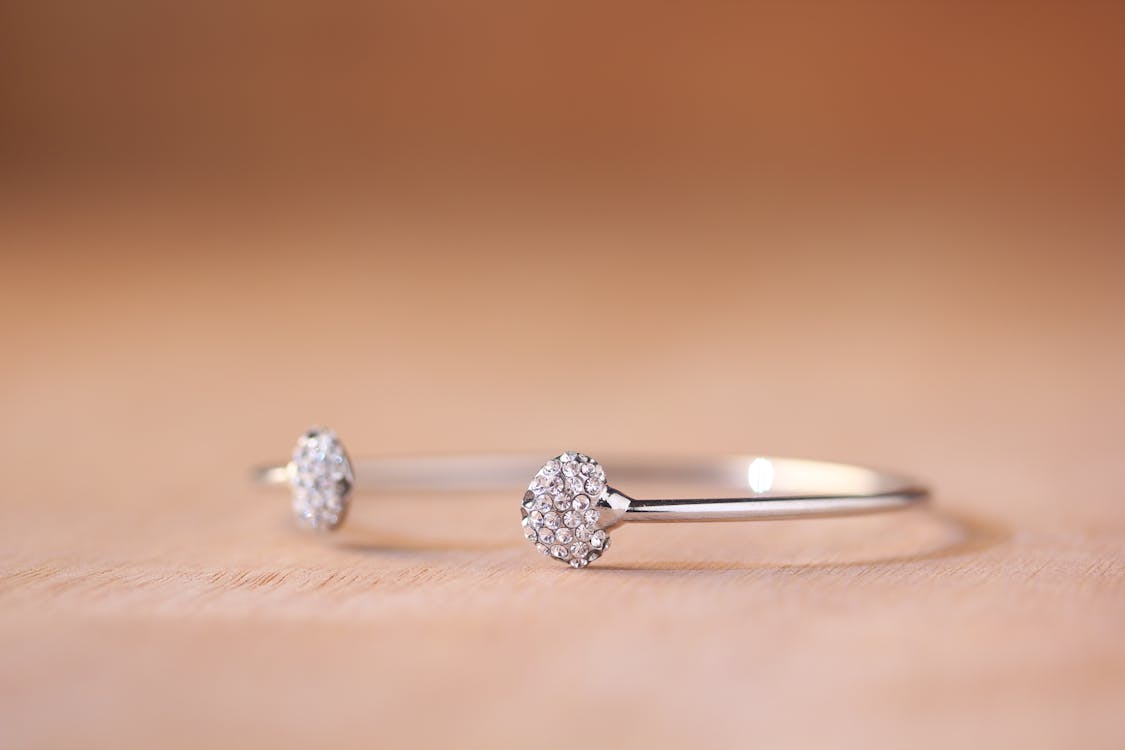
Thinking about a ring that looks effortlessly classic from the top but flashes extra sparkle from secret angles? Enter the hidden halo—a design that’s as clever as it is beautiful. Pair it with lab-grown diamonds and you get a modern engagement ring that balances ethics, science, and style—without sacrificing brilliance.
In this guide, we’ll break down what a hidden halo is, why it’s trending, how lab-created diamonds compare to mined stones, and how to choose (and care for) the perfect piece for a lifetime of wear.
If you’re exploring a hidden halo engagement ring, lab grown diamonds can deliver the radiance you want along with transparent sourcing and compelling value.
What Exactly Is a Hidden Halo?
A “halo” ring traditionally frames the center stone with a circle of smaller diamonds to make the centerpiece look larger and more radiant. A hidden halo tucks those accent stones beneath or just under the girdle of the main diamond. From the top view, the ring can appear like a clean solitaire. But tilt your hand, and a collar of scintillating sparkle lights up. It’s the jewelry equivalent of a secret detail stitched inside a couture garment—subtle, intimate, and very purposeful.
Designers typically micro-pavé tiny diamonds onto:
- A circular basket under the center stone
- A scalloped or geometric under-gallery
- The upper shank/shoulders that wrap the head
Because the halo sits lower, it enhances light return without competing with the silhouette of the center stone. The effect works across shapes—round brilliants, ovals, emerald cuts, pears, cushions, and marquise all look incredible with a discreet sparkle ringed below.
Why Hidden Halos Are Having a Moment
1. Bigger look, lighter footprint
The hidden halo adds visual presence by extending sparkle around the stone’s perimeter, giving an amplified “face-up” impression without requiring a larger center diamond.
2. Versatile styling
From the top, it can read minimalist; from the side, ornate. That split personality pairs well with a variety of wedding bands—straight, curved, or contoured—because the halo isn’t jutting out to snag.
3. Practical sparkle
The stones are protected in the under-gallery, reducing the likelihood of chipping or catching on fabric. With proper setting work, it’s a smart design for everyday wear.
4. Personal secret
Many people love that the ring has a private flourish visible mostly to the wearer and anyone close enough to notice.
Lab-Grown Diamonds: Science, Value, and Authenticity
Lab-grown diamonds are real diamonds—crystalline carbon with the same optical, physical, and chemical properties as mined stones. The difference is origin: grown in a controlled environment using CVD (Chemical Vapor Deposition) or HPHT (High Pressure High Temperature) methods. That controlled growth yields diamonds that can be cut and graded by the same labs that evaluate mined stones.
Why many couples choose lab-grown for a hidden halo:
- More carat for the budget. Dollar for dollar, lab-grown diamonds generally cost significantly less than mined equivalents of the same quality, freeing budget for a larger center stone, a more intricate hidden halo, or upgraded metal.
- Transparent origin. The supply chain is straightforward and verifiable. Many labs and retailers provide growth method, origin details, and sustainability reporting.
- Beauty and performance. Because growth conditions are controlled, you’ll find a wide selection of diamonds with excellent cut precision, high color grades, and minimal inclusions—exactly what a hidden halo loves to amplify.
A quick note on resale: diamonds of any origin are primarily emotional purchases; resale value depends on the secondary market and is usually a fraction of retail. If future resale is a top priority, consider that now and discuss upgrade programs with your jeweler.
How the Hidden Halo Enhances Different Diamond Shapes
-
Round Brilliant: The classic sparkle champion. A hidden halo can make a 1.0 ct appear closer to 1.2 ct in presence, especially with a slim band (1.6–1.8 mm) that accentuates contrast.
-
Oval: The halo creates a graceful outline and helps disguise minor length-to-width imbalance. Choose a low, elongated basket for elegant lines.
-
Emerald Cut: Step cuts have bold flashes rather than shimmer. A delicate under-halo adds scintillation at angles, creating dynamic contrast without disturbing the architecture.
-
Cushion & Old Mine: Vintage feel meets modern sparkle. A scalloped hidden halo can echo antique motifs.
-
Pear & Marquise: The halo stabilizes the pointed tips visually and structurally, distributing light around the entire outline.
Choosing Your Center Stone: The 4Cs, Optimized for Hidden Halos
Cut
Prioritize cut above all else. Excellent/Ideal cut grades, strong symmetry, and well-proportioned facets will matter more to your eye than small shifts in color or clarity. A hidden halo multiplies sparkle, but it can’t compensate for a poorly cut center.
Color
The micro-pavé halo sits close to the center stone; aim to keep color consistent. For white metals (platinum, 18k white gold), G–H lab-grown diamonds often look icy and bright. For yellow or rose gold, H–J can look warm and still face up white.
Clarity
SI1–VS2 is a sweet spot if inclusions are small and not centrally located. Step cuts show inclusions more readily—lean VS1 or higher there. With brilliant cuts, eye-clean is the real goal.
Carat & Proportions
Let your finger size and style drive the decision. On petite hands, a 0.90–1.25 ct with a slim band and hidden halo looks substantial. For larger sizes or bolder aesthetics, 1.50–2.00 ct sings without tipping into bulky.
Considering a hidden halo engagement ring, lab grown diamonds allow you to maintain top-tier cut quality while allocating budget to thoughtful craftsmanship in the under-gallery.
The Setting: Details That Make or Break the Look
Metal Choice
- Platinum: Durable, hypoallergenic, retains its white color, great for micro-pavé longevity.
- 18k White Gold: Slightly warmer white; excellent for budget and weight. Requires periodic rhodium plating.
- Yellow or Rose Gold: Provide contrast that makes the diamonds appear whiter; a platinum head is a popular two-tone option for strength and neutrality around the stone.
Head & Prongs
Claw or talon prongs sharpen the outline; rounded prongs read softer and vintage. Keep prongs delicate but not flimsy—especially for ovals, pears, and marquise tips.
Height & Profile
A hidden halo needs just enough elevation to clear the band but not so much that it snags. Ask your jeweler for a low-to-mid profile with a comfort-fit shank for daily wear.
Micro-Pavé Quality
Look for even bead-work, consistent stone size, and clean seat cuts. Poor pavé sheds stones over time; superior work lasts.
Band Match
Test with your desired wedding band—straight, curved, notched, or contour—so the hidden halo clears comfortably. Consider a tiny “relief” under the head to prevent a gap.
Budgeting Smartly
One reason the combination is so compelling is that, with a hidden halo engagement ring, lab grown diamonds free up budget for craftsmanship. If your total budget is X:
- Allocate 70–80% to the center stone (prioritize cut).
- Reserve 15–25% for the setting (micro-pavé quality matters).
- Keep 5–10% for future maintenance, insurance deductibles, and resizing.
Ask the jeweler about lifetime servicing: prong checks, stone tightening, and professional cleaning. Some offer first-year coverage or discounted tune-ups.
Certification, Policies, and Transparency
Always purchase a center stone with a reputable certificate from a recognized lab (e.g., IGI or GIA for lab-grown diamonds). Verify:
- Cut, color, clarity, carat specs
- Growth method (CVD or HPHT)
- Laser inscription number on the girdle that matches the report
Equally important: review the retailer’s return window, upgrade program, and warranty. If upgrades matter, choose a jeweler that credits a large percentage of your original purchase toward a future stone.
Comfort, Durability, and Daily Life
A great ring is one you forget you’re wearing—until it catches the light. To get there:
- Lifestyle check: If you lift, climb, or work with your hands, a slightly thicker shank (1.8–2.0 mm) and a lower profile help.
- Security: Consider six prongs for rounds or a V-prong for pears/marquise tips.
- Smoothing edges: Request softened corners on the hidden halo and inside edges for comfort.
For water-sports or heavy gym sessions, get a non-metal silicone band to swap in temporarily. Even robust settings benefit from occasional breaks.
Care and Maintenance
- At-home cleaning: Soak in warm water with a drop of gentle dish soap, brush softly with a baby toothbrush (especially under the halo where oils collect), rinse, and pat dry.
- Professional check: Every 6–12 months for prongs, pavé, and overall integrity.
- Ultrasonic caution: Fine pavé can sometimes loosen in harsh ultrasonic cycles; ask your jeweler if your specific ring is ultrasonic-safe.
Insure the ring for replacement value based on your invoice, and keep copies of certificates and appraisals.
Style Ideas to Make It Yours
- Cathedral Shoulders + Hidden Halo: Elegant arcs lift the center, showcasing the secret sparkle.
- Three-Stone with Hidden Halo: Side stones (e.g., half-moons or tapered baguettes) plus an under-halo bring depth without crowding the face-up view.
- East-West Oval or Emerald: A modern twist that reads sleek; the under-halo adds twinkle in motion.
- Bezel-Top with Hidden Pavé: Minimalist from above, fireworks from the side—great for active lifestyles.
Consider pairing with a knife-edge or soft-square band for a textural contrast, or a thin eternity band to echo the micro-pavé theme while keeping the engagement ring center stage.
Sustainability and Footprint
While jewelry sustainability is multifaceted (energy sources, manufacturing, packaging, and longevity all matter), lab-grown diamonds offer traceable origins and a streamlined supply chain. If environmental impact is central to your decision, ask retailers about:
- Energy sourcing for growth facilities
- Carbon-neutral or carbon-offset programs
- Recycled precious metals for settings
- Responsible Jewelry Council (RJC) certifications or equivalent standards
The most sustainable ring is one made to last and be loved—durability, reparability, and timeless design all contribute.
For a hidden halo engagement ring, lab grown diamonds align beautifully with modern values: transparency, science-driven innovation, and tangible sparkle you can see every day.
Quick Buying Checklist
- Confirm the center stone’s certificate and inscription
- Inspect micro-pavé under magnification for uniformity
- Test with your preferred wedding band for fit
- Choose prongs appropriate to your stone shape
- Ask about resizing range and maintenance plan
- Insure the ring and file the paperwork safely
The Bottom Line
A hidden halo is the jewelry world’s wink—an elegant secret that reveals itself in motion. When you combine it with a lab-created center stone, you’re choosing beauty backed by science, often at a friendlier price point and with clearer origin details. The design offers the best of both worlds: clean, classic lines from above and a surprise constellation of light below.
Whether you prefer a chic round brilliant in platinum or a warm oval in yellow gold, the formula holds: prioritize cut, invest in quality craftsmanship on the under-gallery, and make sure the ring fits your life as well as your finger.
If your heart is set on a hidden halo engagement ring, lab grown diamonds make it easier to elevate the details that matter—so every glance down at your hand delivers that small, private thrill of discovery.